

Healthcare organizations are facing more pressure than ever to manage revenue efficiently and reduce the administrative burden on their medical billing teams. With rising patient expectations, complex payer requirements, and increasing regulations, the need for a streamlined revenue cycle process has never been more urgent. Revenue cycle management (RCM) services play a pivotal role in responding to these needs, helping providers capture revenue accurately and improve the financial health of their operations.
RCM services encompass both the processes and the expertise required to handle every step of the revenue cycle, from patient registration and insurance verification to billing, claims submission, denial management, and payment collection. Organizations that invest in the right RCM service solutions can reduce operational inefficiencies and free up staff to focus on delivering quality patient care.
With technology advancing rapidly, software platforms are now an integral component of RCM service. These platforms support healthcare providers by automating repetitive tasks, improving data visibility, and facilitating faster financial transactions. Below, we explore exactly what RCM is, the top RCM service software solutions for 2026, and some key features to look out for.
Top 10 RCM services for 2026
1. Aptarro
3. Waystar
4. Athenahealth
5. Epic Systems
7. ModMed
10. CareCloud
What Is RCM?
Revenue cycle management (RCM) is the comprehensive process that ensures healthcare providers are reimbursed accurately and efficiently for the services they deliver. At its core, RCM focuses on managing the full lifecycle of patient revenue, including registration, billing, claims submission, denial management, and payment collection. It is not a software or tool but rather a structured set of practices, often supported by skilled personnel or outsourced teams, designed to optimize revenue capture and maintain compliance with payer requirements.
RCM also emphasizes the operational side of revenue management, allowing providers to better identify revenue leakage, manage compliance risks, and improve cash flow. The table below summarizes the key aspects:
| Aspect | Role |
| Definition | The structured process that manages the financial lifecycle of a patient to ensure accurate and timely reimbursement. |
| Purpose | To optimize revenue capture, reduce claim denials, and maintain the financial health of healthcare organizations. |
| Scope | Includes patient registration, insurance verification, billing, claims submission, denial management, and payment collection. |
| Stakeholders | Healthcare providers, billing teams, insurance payers, and patients. |
| Examples | In-house revenue cycle departments, outsourced billing teams, and managed RCM service providers. |
By combining efficient workflows, operational expertise, and proactive oversight, a strong RCM framework gives healthcare organizations a clear structure for managing the full revenue cycle. Whether handled in-house or through an external partner, it provides the foundation for smoother financial operations and more predictable cash flow.
What Is RCM Service?
RCM service refers to the professional expertise and support that healthcare organizations use to manage the revenue cycle efficiently. It is the hands-on management of tasks such as claims processing, billing, denial resolution, and collections. These services can be provided by in-house teams or external partners who specialize in optimizing revenue capture and maintaining compliance with payer requirements.
Modern RCM services typically leverage technology to improve efficiency, while maintaining an emphasis on human expertise and operational processes that ensure claims are accurate and payments are collected promptly. By combining technology-powered workflows with skilled human support, RCM services help organizations reduce errors and maintain a predictable revenue cycle.
The table below outlines the main types of RCM services and their applications:
| Category | Purpose | Deployment/Integration |
| In-house RCM teams | Direct management of revenue cycle tasks internally | Staffed by organization employees; integrated with internal electronic health record (EHR) and billing systems |
| Outsourced RCM services | External management of revenue operations | Managed by third-party vendors; processes handled offsite or via cloud tools |
| Hybrid RCM services | Combines internal teams with external expertise |
Internal staff handles day-to-day tasks while vendors manage complex claims and denials |
RCM services provide a practical, hands-on approach to managing revenue cycles. This allows healthcare organizations to focus on patient care while ensuring financial performance and compliance remain strong.
Top 10 RCM Services for 2026
1. Aptarro
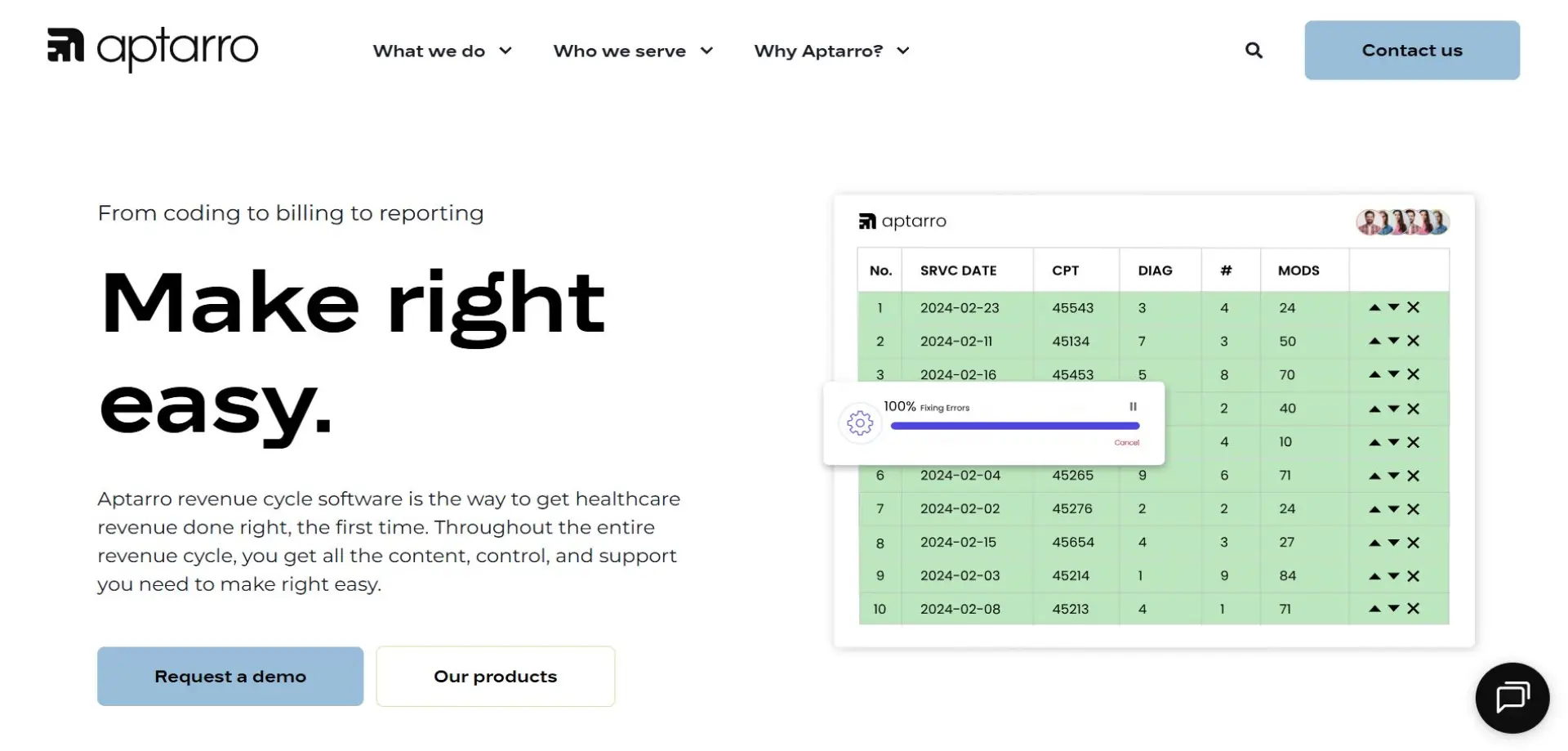
Aptarro is a leading provider of RCM service software, known for its comprehensive approach that combines technology with expertise. Its platform, the RevCycle Engine, serves as a robust foundation for healthcare organizations looking to streamline revenue cycle operations. Aptarro’s RCM service emphasizes accuracy, efficiency, and operational resilience, helping organizations maintain financial health and minimize administrative complexity.
The platform is designed to support a broad range of revenue cycle processes without being overly prescriptive about specific functionalities. Healthcare providers benefit from a flexible solution that adapts to their workflow, allowing teams to focus on optimizing revenue and managing claims effectively. Aptarro combines software with professional RCM service, ensuring that organizations receive guidance and support alongside their technology.
By integrating Aptarro’s technology with expert RCM teams, organizations can improve revenue capture, reduce claim denials, and achieve greater operational efficiency. Book a demo to see the platform in action and see how Aptarro can transform your revenue cycle.
2. NextGen Healthcare

NextGen Healthcare delivers RCM service software alongside its EHR and practice management systems. It helps ambulatory practices and mid-sized networks streamline billing, coding, and follow-up workflows while maintaining alignment with clinical operations.
3. Waystar

Waystar is a cloud-based RCM service platform that simplifies claims management, payer engagement, and patient payments. Its predictive analytics help providers identify potential denials early, while automation reduces manual administrative work, making it a popular choice for medium to large health systems.
4. Athenahealth

Athenahealth’s RCM solution combines cloud-based automation with interoperability, supporting both large health systems and ambulatory practices. It helps reduce days in accounts receivable (AR) and streamlines revenue operations without overhauling existing workflows.
5. Epic Systems
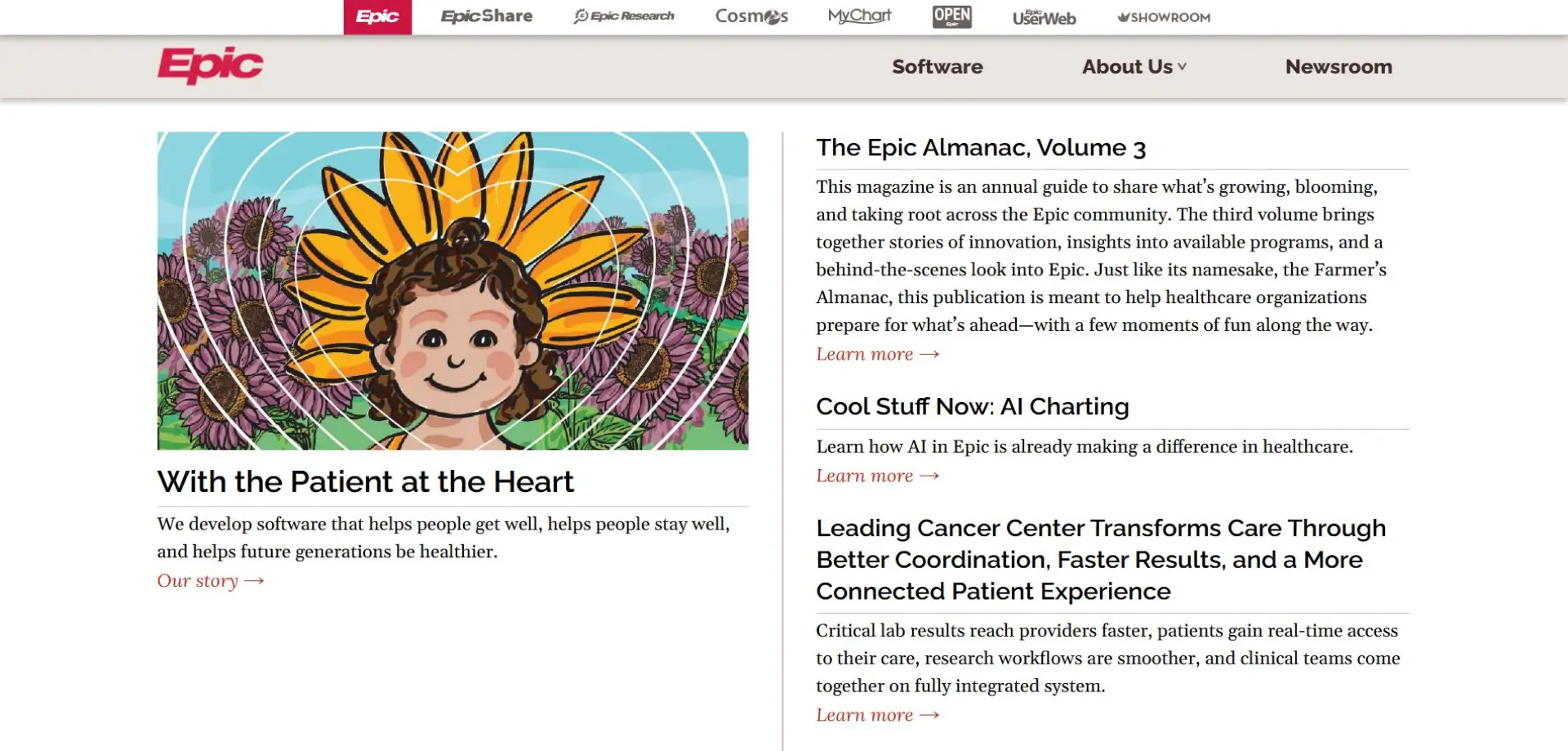
Epic’s RCM module is integrated with its broader EHR ecosystem, offering hospitals and health systems a unified approach to clinical and financial workflows. This integration allows for consistent revenue cycle operations across patient registration, billing, and collections.
6. Oracle Health
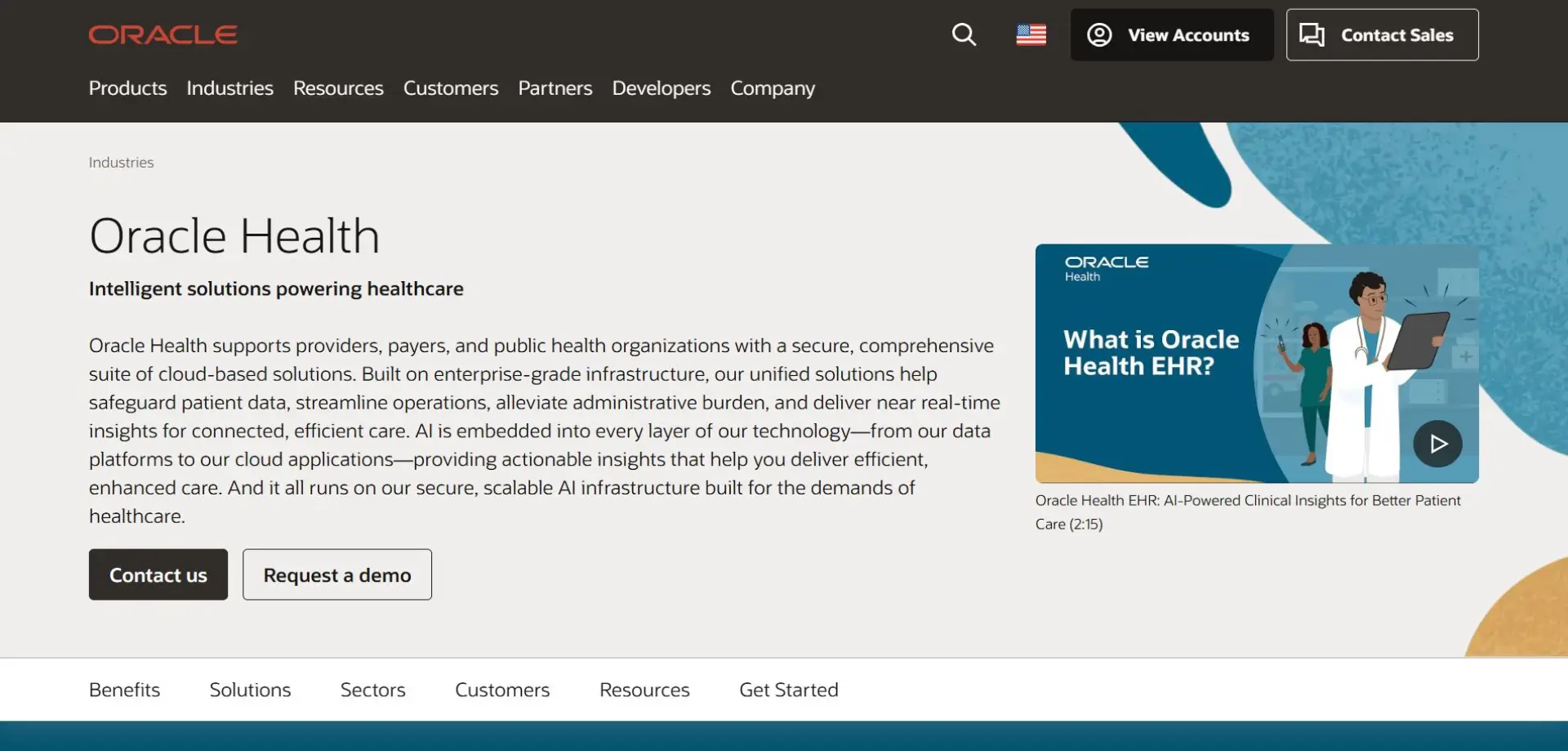
Oracle Health’s cloud-native RCM platform supports patient accounting, claims management, and automated workflows. Designed for scalability, it is ideal for large enterprises and health systems seeking flexible, modern revenue cycle solutions.
7. ModMed
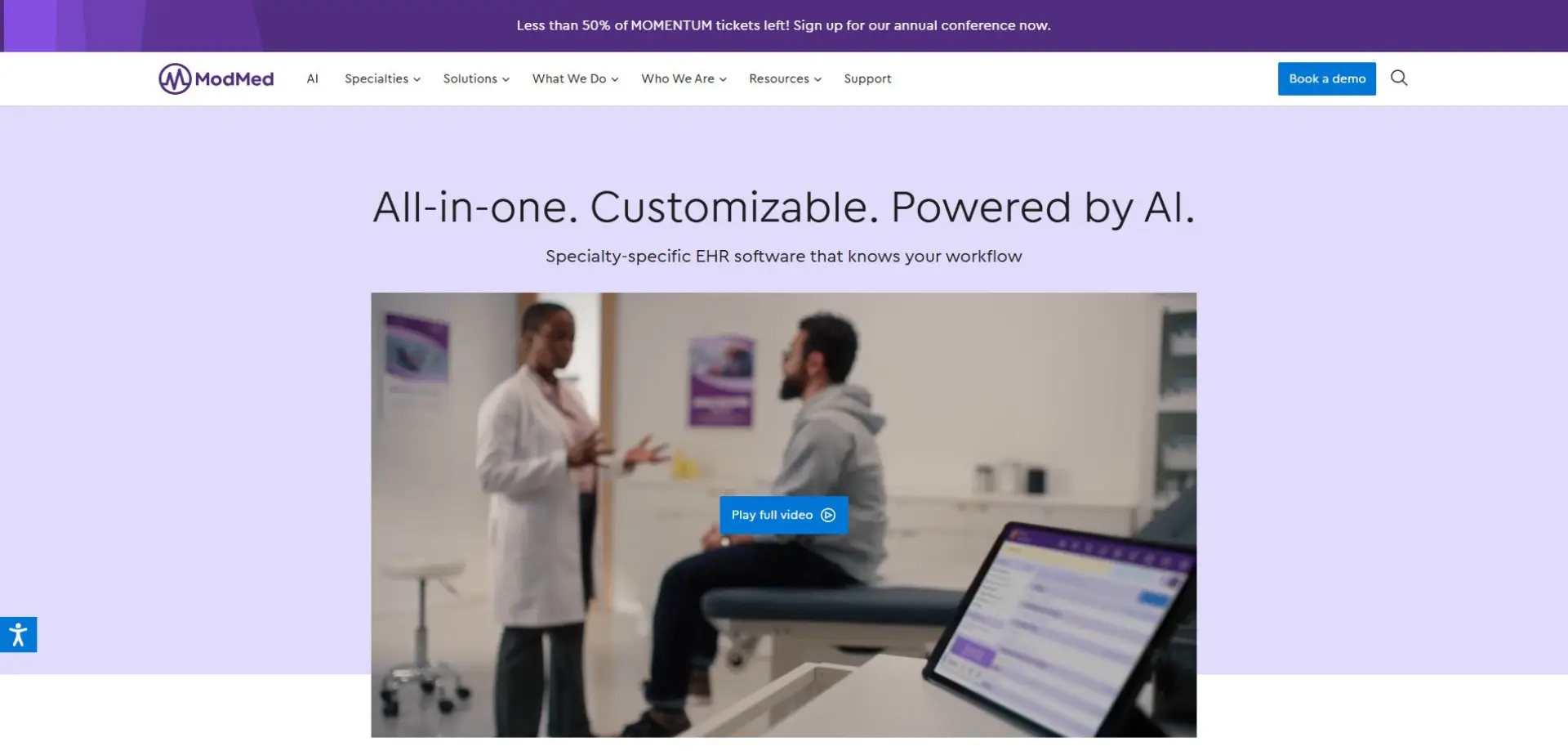
ModMed specializes in RCM service software for ambulatory and specialty practices. Its platform aligns with specialty-specific workflows, helping providers improve efficiency, billing accuracy, and overall financial performance.
8. eClinicalWorks
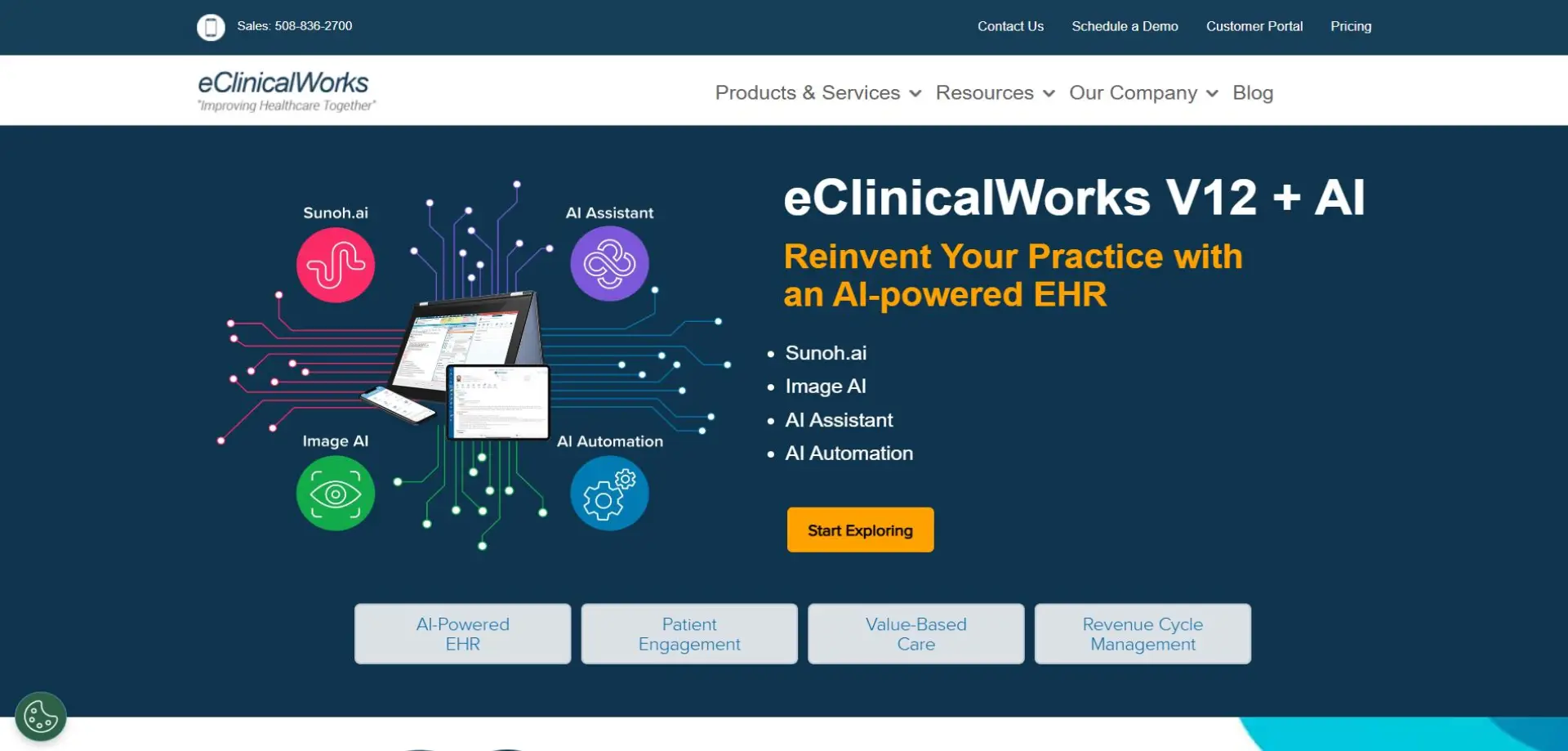
eClinicalWorks integrates RCM with its EHR and practice management system, offering a comprehensive platform for claims, payment tracking, and denial management. Its all-in-one approach reduces handoffs and simplifies administrative workflows.
9. Simplex Himes
Simplex Himes offers flexible, enterprise-grade RCM software that can be customized to an organization’s unique workflows. Its solution supports robust financial operations while enabling teams to fine-tune processes for maximum efficiency.
10. CareCloud
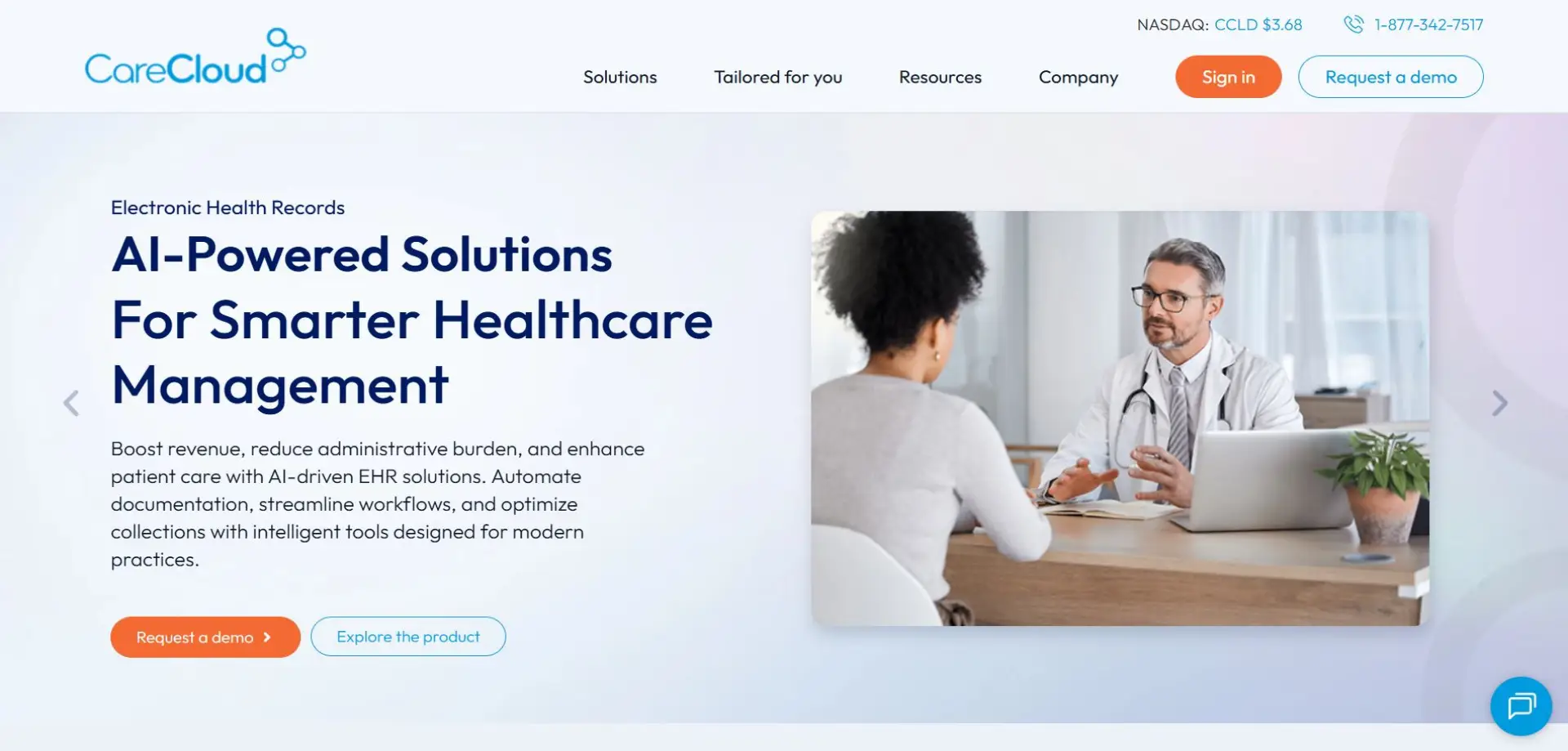
CareCloud provides a cloud-based platform combining RCM, EHR, and practice management. Its RCM tools focus on claims scrubbing, denial resolution, and patient collections, offering practices real-time financial visibility and streamlined operations.
Benefits of RCM Service
RCM service software is designed to complement traditional revenue cycle management practices by improving accuracy, efficiency, and visibility across the financial lifecycle. Here are some of the key benefits.
Improved revenue capture
Healthcare organizations using RCM service software experience fewer errors and faster claim processing, which ensures that more revenue is captured accurately and efficiently. Automation reduces manual intervention and helps teams focus on higher-value tasks.
Predictable cash flow
With real-time dashboards and reporting, RCM service software provides a clear view of financial performance. Organizations can forecast revenue, monitor accounts receivable trends, and proactively address payment delays or denials.
Enhanced denial management
Integrated analytics and workflow support allow organizations to track denial patterns, address issues early, and optimize the resolution process, reducing rejections over time.
Key Features of RCM Service
Modern RCM service software comes equipped with features designed to support efficiency, accuracy, and better patient engagement. These capabilities allow organizations to manage revenue cycles more effectively while minimizing operational bottlenecks.
Automated claims scrubbing
The software analyzes claims prior to submission, identifying potential errors and facilitating cleaner claims. This reduces the likelihood of denials and accelerates payment processing.
Denial analytics and workflow
RCM service platforms categorize denials, provide insights into root causes, and help assign resolution tasks. This streamlines appeals and ensures a more effective workflow.
Patient financial engagement tools
Many RCM service solutions include patient-facing functionality, such as online bill payment, cost estimation, and flexible payment plans, improving engagement and reducing bad debt.
What to Consider When Purchasing RCM Service
Selecting the right RCM service software requires careful consideration of factors that impact efficiency, scalability, and return on investment. Understanding this can help your organization make an informed decision that is aligned with your operational needs.
Integration with existing systems
The software should seamlessly integrate with EHRs, practice management systems, and clearinghouses. Smooth integration prevents data silos, reduces manual work, and ensures consistency across revenue cycle processes.
Scalability and flexibility
Healthcare organizations need RCM service solutions that can grow with them. Evaluate whether the platform can handle increasing claim volumes and adapt to changes in workflows or payer requirements.
Pricing and cost model
RCM service software may be priced as a percentage of collections, a fixed fee, or a hybrid model. Organizations should consider total costs and evaluate how pricing aligns with expected financial outcomes.
Support and expertise
Look for vendors that provide both software and professional RCM support. Expert teams can guide workflow optimization, manage denials, and provide advice on compliance, improving overall financial outcomes.
RCM Service: A Must-Have for Healthcare Success
Revenue cycle management continues to evolve, and in 2026, adopting a comprehensive RCM service solution is a strategic necessity. Organizations that combine professional expertise with advanced software can improve revenue capture, reduce administrative burden, and achieve greater operational resilience.
Modern RCM service software offers visibility into financial performance, streamlines workflows, and supports proactive management of claims and denials. When paired with expert teams, these solutions help providers maintain financial stability and focus more on patient care.
Investing in a platform like Aptarro, with its RevCycle Engine, can provide your organization with a flexible, reliable solution that adapts to unique operational needs. Book a demo today to explore how Aptarro can enhance your revenue cycle management.