

Selecting the right Merit-Based Incentive Payment (MIPs) software has become increasingly important as the Centers for Medicare & Medicaid Services (CMS) requirements become more stringent. With mounting pressure to balance clinical quality, regulatory reporting, and financial performance, healthcare organizations of all sizes now rely on specialized platforms to streamline MIP activities.
Choosing a reliable tool can make the difference between earning incentives and incurring costly penalties. In the process, you can reduce administrative burden and provide a clearer path to maintaining compliance.
The MIP software landscape has expanded significantly in recent years, offering a mix of registries, reporting platforms, Electronic Health Record (EHR)-embedded tools, and comprehensive performance-management systems. Whether your organization needs simple reporting support or a fully integrated performance solution, the tools in this list represent the best available options heading into 2026.
Top 10 MIP software for 2026
1. Aptarro
2. NextGen
4. Veradigm
5. Optum
6. Epic
8. Athenahealth
10. eClinicalWorks
What Is MIP?
Merit-Based Incentive Payment is a CMS program designed to reward clinicians who deliver high-quality, cost-effective care while maintaining strong patient engagement and compliance with technology standards. MIP evaluates participating providers across four performance categories, with each contributing to a final composite score that directly impacts future Medicare Part B reimbursement.
Unlike general quality programs, MIP serves as a consolidated performance framework inside the Quality Payment Program (QPP), allowing CMS to measure provider performance consistently at a national level. This system encourages providers to adopt structured workflows, leverage health IT effectively, and continually improve clinical delivery.
Below is a table outlining the four core components of MIP:
| Component | Description |
| Quality | Measures how well clinicians deliver evidence-based care and achieve positive outcomes. |
| Cost | Assesses how efficiently providers utilize resources while maintaining care quality. |
| Promoting Interoperability | Evaluates the use of certified electronic health record technology (CEHRT). |
| Improvement Activities | Rewards clinicians for care-coordination, patient engagement, and improvement initiatives. |
Together, these categories form a scoring model that influences payment adjustments. Understanding how these components interact is essential before exploring what MIP software does and how it supports the reporting process.
What Is MIP Software?
While MIP defines what providers need to report, MIP software defines how they manage, track, and submit that information. MIP software refers to platforms that simplify participation in the Merit-Based Incentive Payment program by collecting data, organizing performance insights, and supporting submission to CMS. These tools act as a bridge between clinical workflows and regulatory reporting obligations, easing the administrative burden on providers and administrators.
Unlike general EHR reporting dashboards, MIP software is designed specifically to centralize performance monitoring across MIP’s four categories. These platforms pull data from EHR systems, billing platforms, and internal workflows, presenting it in a structured format that allows organizations to prepare for year-end reporting without trying to catch up at the last minute. Many also offer guidance, score projections, or workflow tools that help practices stay aligned with CMS requirements throughout the year.
The table below outlines the key functions that MIP software typically supports:
| Function | Purpose |
| Data capture | Collects relevant clinical and administrative information needed for MIP reporting. |
| Measure tracking | Displays real-time progress across MIP categories to guide performance improvement. |
| Benchmarking | Helps compare performance against national or internal standards. |
| Submission tools | Supports registry or direct submission of MIP data to CMS. |
Ultimately, the goal of MIP software is to make participation more manageable and less time-consuming, ensuring organizations maintain compliance while minimizing disruptions to clinical workflows. Here are the top ten software options for 2026.
Top 10 MIP Software for 2026
1. Aptarro
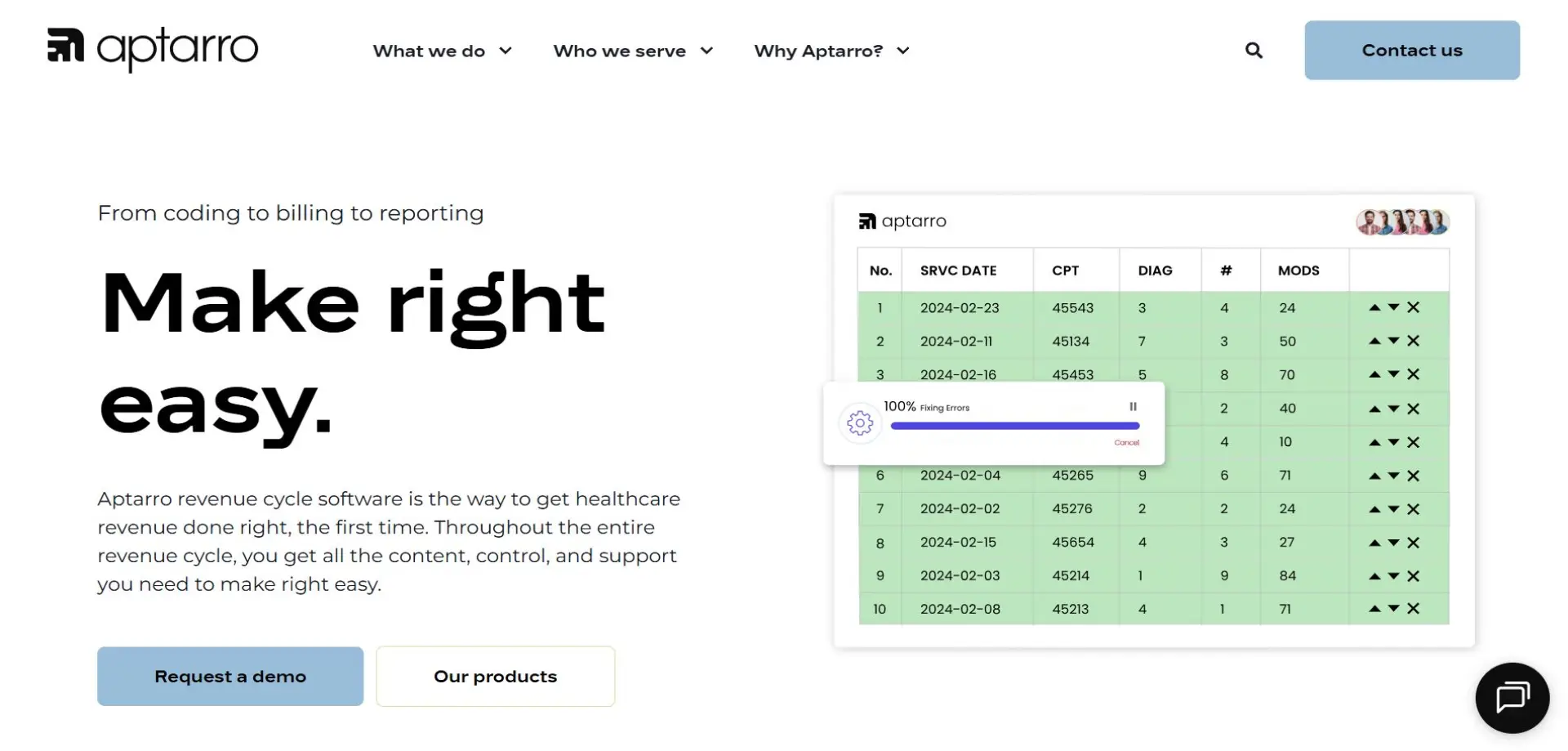
Aptarro leads the list with a modern, dependable approach to MIPS reporting that helps healthcare organizations stay compliant with shifting CMS requirements. Aptarro’s MIPS software brings together automated data collection, optimized measure selection, real-time performance tracking, and ONC-certified submission in one place. The result is a clear, structured workflow that reduces the administrative burden.
The platform supports teams that need consistency and visibility throughout the reporting year. Instead of overwhelming users with technical steps or rigid tools, Aptarro provides an intuitive environment that guides you through each stage of MIPS. You get accessible insights, clear recommendations, and a streamlined reporting process that helps your organization stay ahead of compliance deadlines.
Whether you manage a smaller practice or a large multi-site group, Aptarro gives you the confidence that your reporting is accurate, complete, and ready for submission. As a result, you spend less time tracking rules and more time improving performance.
If you want to see how Aptarro simplifies MIPS from start to finish, you can explore the platform in action. Contact us to learn how Aptarro can support your team and strengthen your results.
2. NextGen

NextGen provides embedded MIP support within its EHR ecosystem, helping organizations automate measure collection, assess performance, and prepare for CMS submission. Its workflows are designed to guide users through each step of the reporting cycle.
3. Health Catalyst

Health Catalyst is widely trusted for its enterprise analytics ecosystem, offering data aggregation, quality measurement, and performance insights used by large health systems nationwide. Its platform supports MIP reporting by providing clarity into measure performance and care-variation patterns, helping organizations strengthen both compliance and outcomes.
4. Veradigm

Veradigm’s quality reporting tools integrate payer-linked analytics with MIP submission workflows. The system supports organizations seeking insight into performance variations across networks while simplifying the complexities of CMS reporting.
5. Optum

Optum delivers a well-established analytics and reporting framework designed to support value-based performance programs, including MIP participation. Its tools help organizations evaluate clinical trends, track performance, and prepare structured data for regulatory reporting.
6. Epic

Epic is one of the most recognized EHRs in the industry, and its built-in quality reporting tools help health systems manage MIP performance from within their existing clinical workflows. The platform centralizes measure tracking, documentation capture, and reporting preparation, making participation more seamless for Epic users.
7. Greenway Health

Greenway Health’s MIP capabilities integrate directly with its EHR, offering structured performance dashboards and simplified submission workflows. This native alignment makes it a practical choice for practices already using Greenway's technology.
8. Athenahealth

Athenahealth offers cloud-based reporting tools that continually track performance across MIP categories. The system provides ongoing guidance and visibility, helping clinicians maintain alignment with CMS requirements throughout the year.
9. Oracle Health
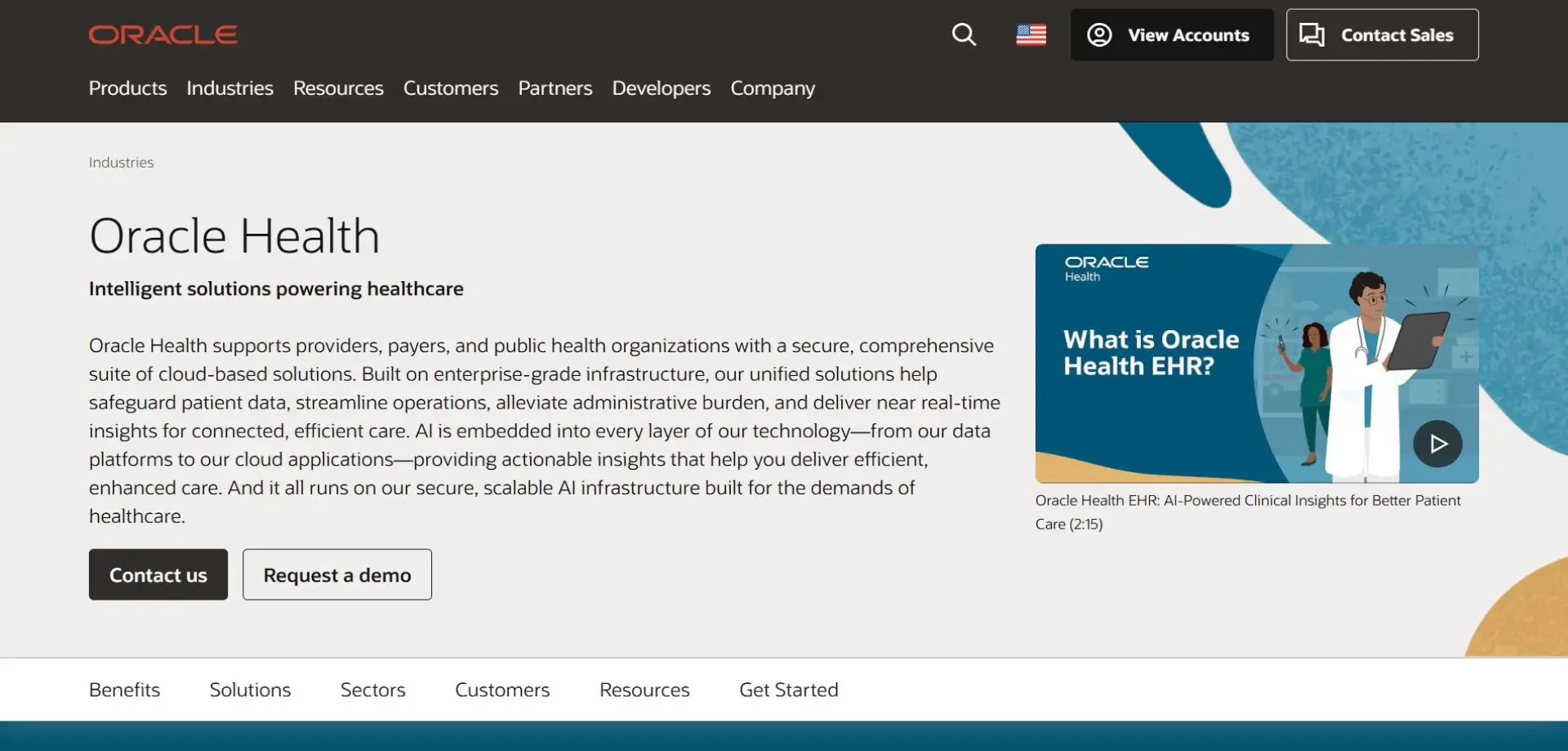
Oracle Health provides integrated quality-measure reporting support built directly into its EHR environment. Its tools help organizations monitor MIP category performance, organize data for reporting, and maintain consistency across clinical teams using the Oracle ecosystem.
10. eClinicalWorks
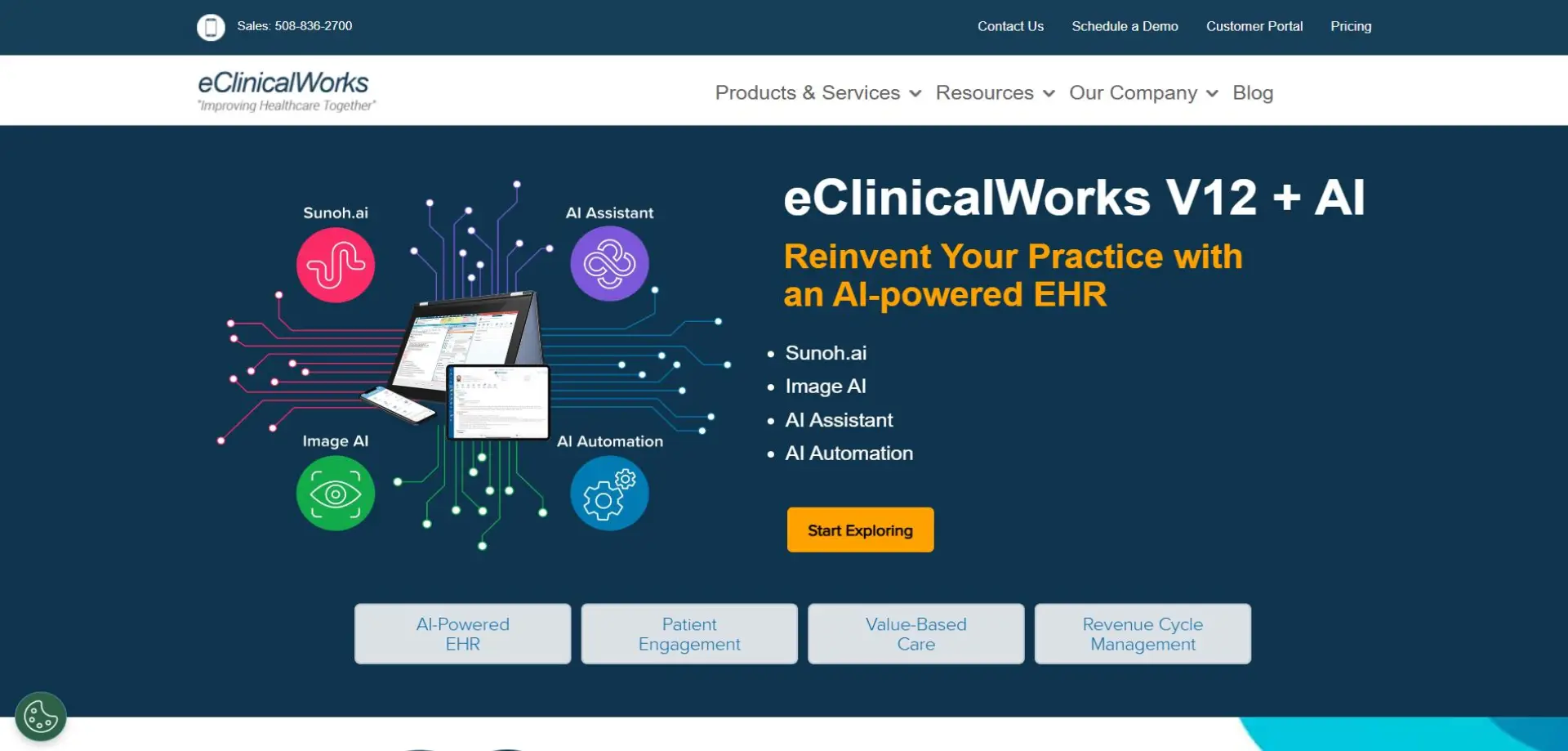
eClinicalWorks integrates MIP dashboards directly within its EHR, allowing providers to monitor performance and prepare submission files without relying on external tools. Its approach reduces manual entry and centralizes reporting workflows.
Benefits of MIP Software
A reliable MIP software brings structure and clarity to an otherwise complex reporting process. These platforms help organizations maintain compliance, reduce manual workload, and respond more effectively to CMS requirements.
Improved accuracy and reduced reporting errors
By consolidating data into a unified environment, MIP software minimizes the risk of manual input mistakes and misaligned documentation. This leads to cleaner reporting and fewer last-minute issues during submission season.
Consistent real-time performance tracking
Instead of waiting for quarterly or year-end reports, providers gain continuous visibility into their standing across all categories. This enables more proactive improvements and better score outcomes.
Streamlined and faster submissions
With built-in submission support, organizations reduce administrative strain and ensure their data is delivered to CMS correctly and on time.
Key Features of MIP Software
The best MIP software offers more than annual reporting tools. It provides meaningful support throughout the entire year. While features vary between platforms, most include core functions that help practices stay organized and compliant.
Automated data extraction
Effective systems pull measure-related information directly from EHRs and billing systems, reducing the need for manual data manipulation and improving reporting consistency.
Predictive scoring and benchmarking
Many tools offer performance projections and comparisons that help organizations understand how their performance compares to national averages.
Category-specific guidance
Beyond dashboards, strong MIP platforms include structured guidance that clarifies how each category contributes to overall performance and what steps clinicians can take to improve.
What to Consider When Purchasing MIP Software
Choosing the right MIP software requires an understanding of your organization’s workflows, technical environment, and reporting needs. With thoughtful evaluation, you put your organization in a good position for long-term compliance and success. Here are some key points to consider:
Integration with your existing EHR
Smooth interoperability ensures that data flows reliably between systems without creating unnecessary administrative burdens.
Level of analytics and reporting depth
Determine whether your organization needs straightforward dashboards or more detailed scoring projections and benchmarking tools.
Support, training, and regulatory updates
Given that CMS updates MIP requirements annually, choose a vendor that provides ongoing regulatory support and training to keep your team informed.
Ensuring Success with the Right MIP Software
As MIP requirements continue to evolve, the right software can help healthcare organizations maintain compliance, strengthen performance, and reduce the administrative weight of reporting. Each platform on this list offers distinct strengths, whether you're seeking simple submission support or a comprehensive performance-management solution. By selecting a tool that aligns with your workflows and goals, you can position your organization for stronger results in 2026 and beyond.
Are you ready to simplify your MIP participation and gain clearer insight into your organization’s performance? Book a demo today to see how the platform can help your team stay ahead of the reporting cycle.