

In today’s complex healthcare environment, claim denials are one of the largest threats to a provider’s revenue cycle. With constantly evolving payer rules, varying insurance plans, and an ever-growing volume of claims, even minor errors in documentation, coding, or eligibility verification can lead to costly denials. Every denied claim represents lost revenue, and if left unaddressed, repeated denials can significantly affect cash flow and operational efficiency.
To stay ahead, healthcare providers are increasingly turning to dedicated claim denial management software. These platforms help organizations monitor, track, and resolve denied claims while providing insights into recurring patterns. By automating aspects of the denial workflow, practices can reduce administrative burden, improve reimbursements, and prevent future losses.
This guide highlights the top 10 claim denial management software solutions for 2026. We’ll explore what claim denial management is, why specialized software is essential, and what to look for when evaluating the right option for your organization.
Top 10 claim denial management software for 2026
1. Aptarro
3. Waystar
4. FinThrive
5. Veradigm
6. Athenahealth
7. AdvancedMD
8. Tebra
10. CureMD
What Is Claim Denial Management?
Claim denial management is a structured process that healthcare organizations use to identify, investigate, and resolve denied claims. It is broader than only appealing rejected claims; it encompasses understanding why denials occur, tracking patterns, and implementing preventive measures. Effective denial management ensures that valid claims are reimbursed promptly and reduces the administrative overhead associated with repeated rejections.
Below is a summary of key terms and concepts that define claim denial management:
| Term | Definition/Significance |
| Claim Denial | When a payer refuses to pay a submitted claim due to errors, missing documentation, or eligibility issues. |
| Denial Management | The process of identifying denied claims, analyzing reasons, and taking corrective or preventive action to ensure future claims are accepted. |
| Denial Prevention | Proactive measures such as pre-submission checks and compliance monitoring are used to avoid denials before they happen. |
| Revenue Leakage | Lost revenue caused by claims that are denied and never resubmitted or appealed. |
By implementing a structured denial management process, organizations can minimize lost revenue, improve operational efficiency, and strengthen relationships with payers. This process sets the foundation for adopting software solutions that further streamline denial workflows.
What Is Claim Denial Management Software?
While claim denial management refers to the overall process of handling denials, claim denial management software is the digital tool that assists in this process. It is designed to support staff by automating repetitive tasks, tracking denied claims, and providing actionable insights — helping organizations respond quickly and prevent recurring denials.
Claim denial management software is not just about resolving current denials; it also offers analytic capabilities to understand denial trends, monitor performance metrics, and identify opportunities for workflow improvement. By integrating with electronic health records (EHR) and billing systems, it becomes a critical component of a practice’s revenue-cycle infrastructure.
The table below outlines the core capabilities and benefits typically provided by claim denial management software:
| Category | What It Does/Why It Matters |
| Automation of workflows | Streamlines denial tracking, follow-ups, and resubmissions to reduce administrative effort. |
| Analytics and reporting | Provides insights into denial patterns and root causes, supporting data-driven decisions to reduce future denials. |
| Integration with clinical and financial systems | Connects to EHR, practice management, and billing platforms for accurate and efficient data flow. |
| Appeals support | Helps staff manage appeal processes more efficiently, ensuring eligible claims are recovered. |
| Prevention support | Offers tools and alerts to catch errors or missing information before submission, reducing first-pass denials. |
By leveraging software tools, healthcare organizations can complement their existing denial management processes, improve operational efficiency, and ultimately safeguard revenue.
Top 10 Claim Denial Management Software for 2026
1. Aptarro
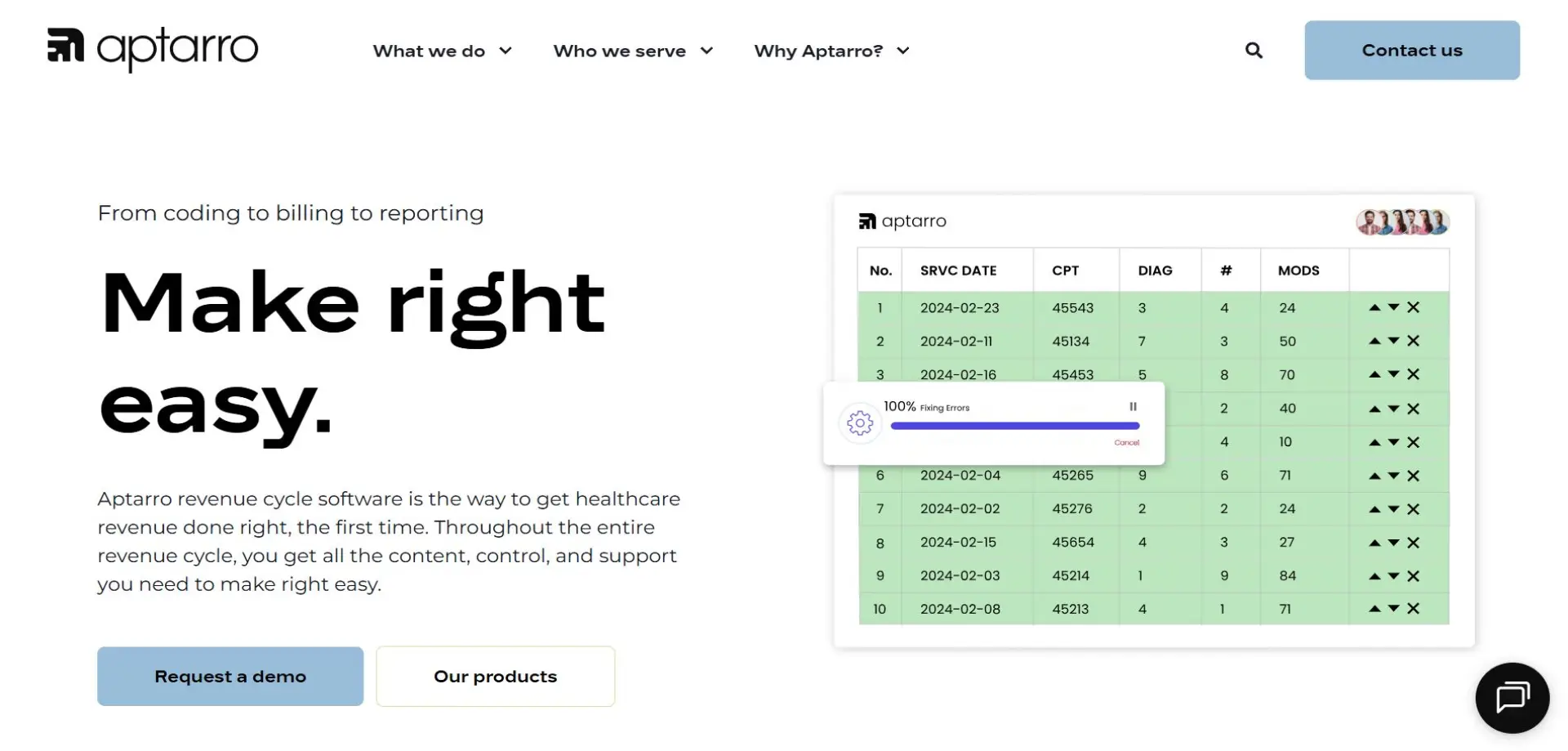
ClaimStaker is Aptarro’s clinical claim scrubbing solution, designed to prevent denials before claims are submitted. It validates claims against a broad, continuously updated library of payer-specific and regulatory edits, helping you submit clean claims the first time. An exception-based workflow allows your team to focus only on high-risk claims, reducing rework and accelerating payment.
Add to this Aptarro’s RevCycle Engine for comprehensive denial management. By providing a unified platform that supports denial tracking, reporting, and workflow management, Aptarro enables organizations to address issues quickly and prevent revenue loss. Its flexible, scalable design works for both small practices and large health systems, making it a versatile choice for any organization.
RevCycle Engine emphasizes user-friendly workflows and actionable insights, helping staff stay on top of denied claims without being overwhelmed by administrative tasks. With robust reporting tools and integration capabilities, it empowers organizations to monitor patterns, refine processes continuously, and optimize revenue-cycle performance.
To experience how Aptarro’s RevCycle Engine-powered claim denial management solution can streamline your workflow and improve revenue capture, book a demo today.
2. NextGen Healthcare

NextGen offers integrated RCM and denial management solutions for medium- to large-sized practices. Its system supports reporting, analytics, and streamlined workflows for improved revenue-cycle outcomes.
3. Waystar

Waystar uses advanced automation and analytics to manage denials and appeals efficiently. Its platform supports healthcare organizations in prioritizing high-value denials, streamlining appeals, and monitoring trends to reduce recurring issues.
4. FinThrive
FinThrive provides enterprise-level denial resolution workflows suitable for large hospitals and health systems. The platform focuses on tracking, reporting, and managing denials efficiently across multiple facilities.
5. Veradigm
Veradigm is tailored for physician groups and smaller practices, offering tools to identify, track, and manage denials. Its software helps streamline the appeal process and integrate denial workflows with existing systems.
6. Athenahealth

Athenahealth continues to be a leader with solutions for claim scrubbing, denial management, and reimbursement monitoring. It integrates with practice management systems to support consistent revenue-cycle performance.
7. AdvancedMD

AdvancedMD provides cloud-based solutions with denial tracking, reporting, and workflow automation features. Its platform is designed to support smaller practices while ensuring efficiency in denial resolution.
8. Tebra
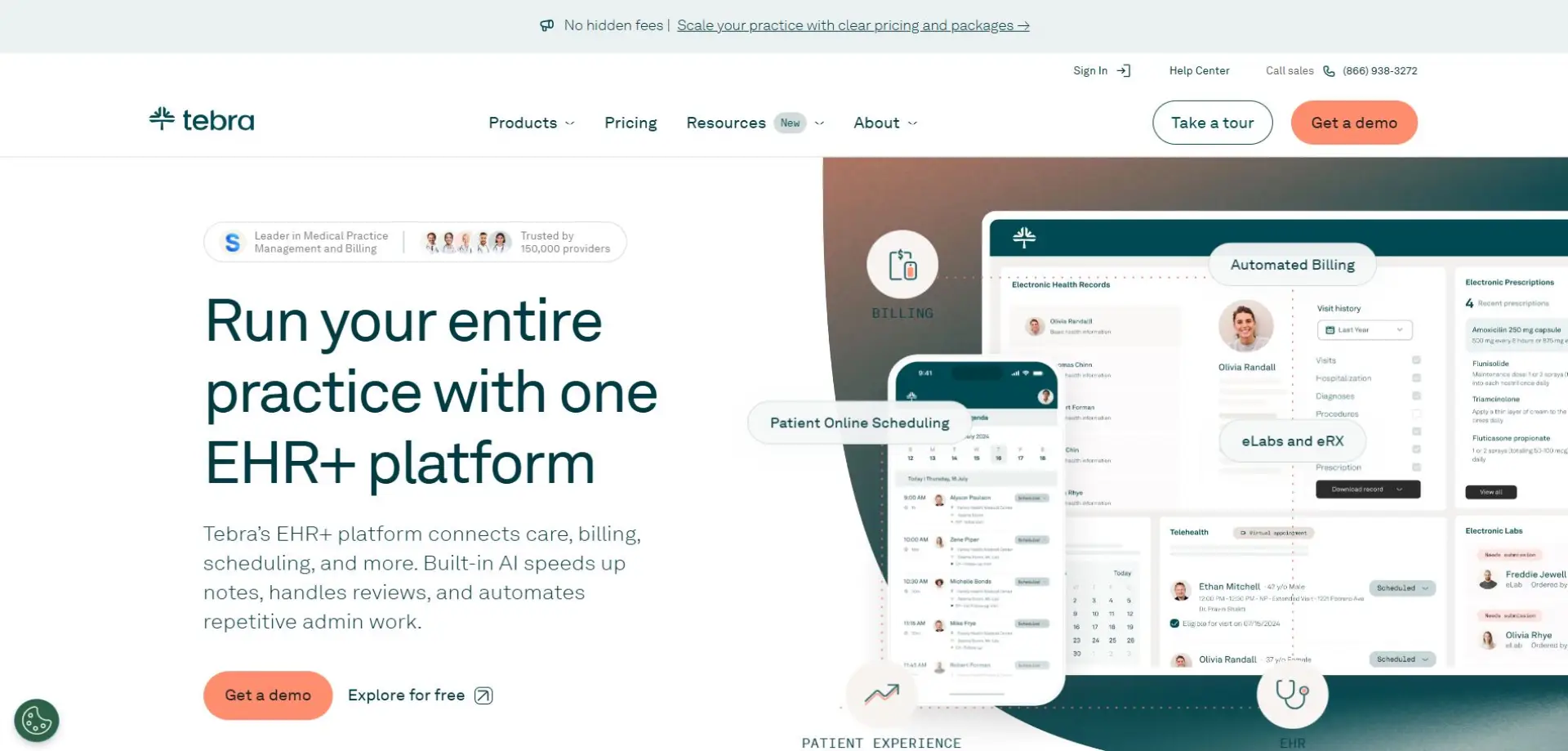
Tebra combines EHR, billing, and claim denial management into a unified platform. It is particularly effective for small to mid-sized practices seeking integrated solutions to reduce administrative burden and improve cash flow.
9. CollaborateMD

CollaborateMD offers a cloud-based billing platform with robust denial management tools. It helps practices minimize rework, accelerate reimbursements, and manage claims more efficiently.
10. CureMD
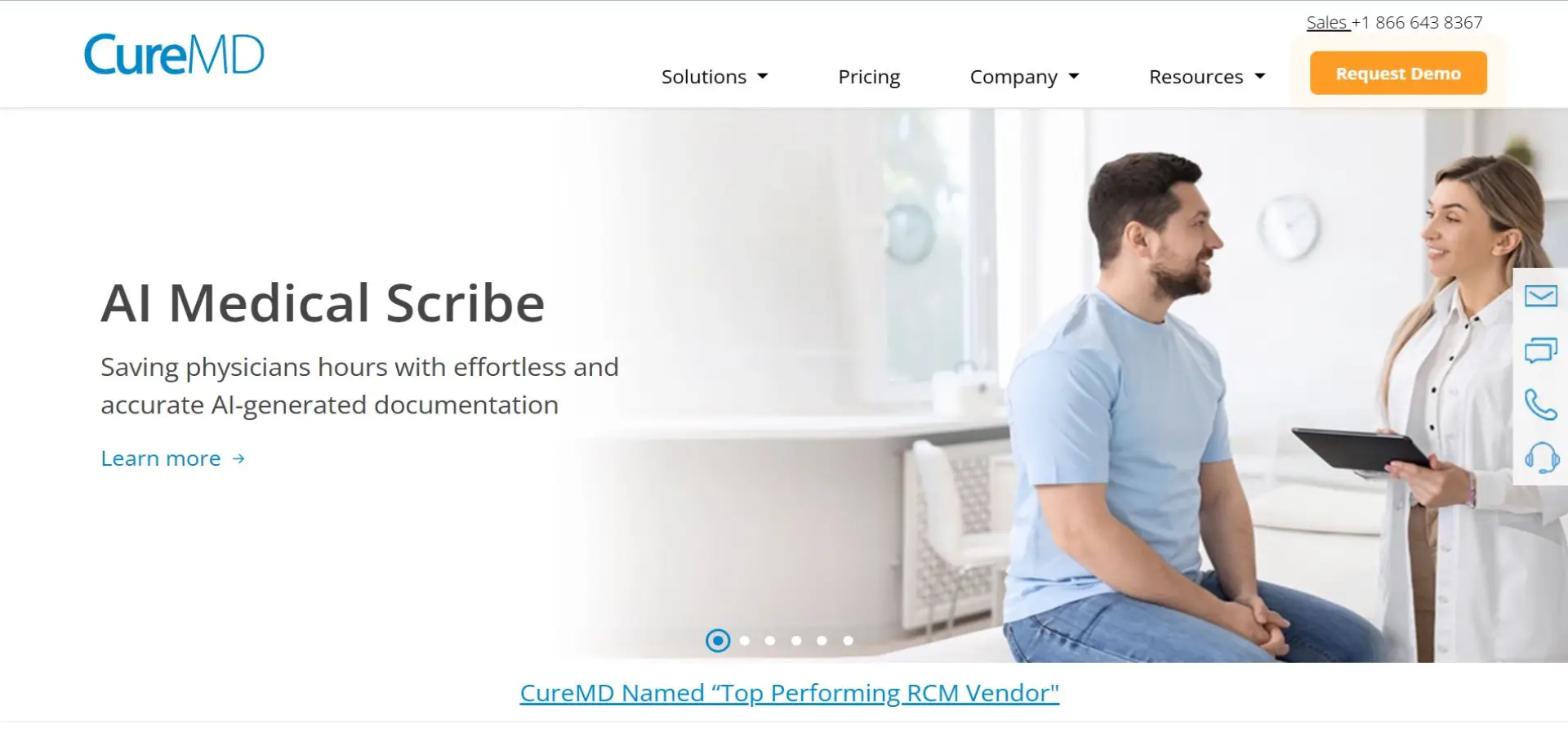
CureMD’s platform delivers end-to-end claims automation and denial management, supporting both clinical and financial operations. It is often chosen by practices seeking a single vendor for comprehensive workflow management.
Benefits of Claim Denial Management Software
Claim denial management software offers significant benefits to healthcare organizations by reducing lost revenue, automating manual tasks, and providing actionable insights.
Improved revenue capture
By systematically tracking and resolving denials, organizations can ensure more claims are reimbursed fully, minimizing revenue leakage.
Reduced operational burden
Automating repetitive tasks such as tracking, reporting, and appeals allows staff to focus on higher-value activities, reducing administrative stress and errors.
Better analytics and root-cause insight
With dashboards and reporting tools, organizations gain visibility into denial trends, enabling proactive strategies to prevent future denials.
Key Features of Claim Denial Management Software
Effective claim denial management software combines several key features that work together to improve efficiency and reimbursement outcomes.
-
Pre-submission claim scrubbing and validation: Automates error checking and flags issues before claims are submitted, reducing the chance of first-pass denials.
-
Real-time eligibility and benefits verification: Confirms patient coverage and payer-specific requirements, helping to prevent avoidable denials.
-
Denial tracking, analytics, and root-cause analysis: Monitors denied claims, categorizes trends, and provides actionable insights to reduce recurring issues.
-
Appeals management and automation: Supports the creation, tracking, and submission of appeals to ensure eligible claims are recovered efficiently.
-
Workflow integration and interoperability: Integrates with EHR, practice management, and billing systems to create a seamless workflow, reducing duplication and errors.
What to Consider When Purchasing Claim Denial Management Software
Selecting the right claim denial management software requires careful consideration of organizational needs, integration capabilities, and scalability.
-
The size and complexity of your organization: Larger hospitals may require enterprise-level features and multi-facility support, while smaller practices benefit from integrated, simpler platforms.
-
Integration with systems: Compatibility with EHR, practice management, and billing ensures seamless data flow and avoids duplicative manual work, improving overall efficiency.
-
Update frequency and payer-rule coverage: Software should maintain current rules, coding updates, and payer requirements to minimize preventable denials.
-
Denial handling capabilities: Ensure the platform supports not just tracking but also appeals, resubmissions, and comprehensive reporting for strategic decision-making.
-
Usability, scalability, and reporting transparency: Choose a user-friendly system that scales with your practice and provides clear, actionable reporting on denial trends and outcomes.
Optimizing Your Revenue with Claim Denial Management Software
Claim denials pose a significant risk to healthcare revenue, but the right denial management software can mitigate that risk. By streamlining workflows, automating repetitive tasks, and providing actionable insights, these platforms help organizations recover lost revenue, improve efficiency, and prevent recurring denials.
Among the top solutions for 2026, Aptarro’s claim denial management software stands out for its comprehensive approach, scalability, and ability to simplify complex workflows. For providers ready to enhance revenue capture and operational efficiency, schedule a demo with Aptarro today to see how its software can transform your denial management process.