

In today’s healthcare landscape, managing revenue cycles efficiently is more critical than ever. Healthcare providers face increasing pressure to optimize reimbursements, reduce administrative burden, and ensure compliance with constantly evolving regulations. At the same time, patients have high expectations for transparent billing and timely communications. Choosing the right revenue cycle management (RCM) company can help providers streamline these processes, safeguard revenue, and improve overall operational efficiency.
Revenue cycle management companies provide solutions that go beyond traditional billing. They combine technology, analytics, and expertise to manage the financial and administrative workflow from the moment a patient schedules an appointment to the point where payment is collected. By working with the best RCM companies, providers can minimize revenue leakage and gain visibility into financial operations, without overburdening internal staff.
This article highlights the 10 best RCM companies for 2026, helping healthcare organizations understand what makes these companies stand out and how to select the right partner. Each company is evaluated on its reputation, innovation, and ability to support providers in delivering better financial outcomes.
10 best RCM companies for 2026
1. Aptarro
3. R1 RCM
4. Optum
5. Epic Systems
7. Athenahealth
10. MEDITECH
What Is RCM?
Revenue cycle management (RCM) is the comprehensive process healthcare organizations use to manage financial operations related to patient care. It includes everything from patient registration and insurance verification to coding, claims submission, payment posting, and final reconciliation. It is designed to ensure that providers are reimbursed accurately and efficiently for the services they deliver.
Effective RCM is more than just billing, however. It’s an end-to-end approach to managing financial interactions, reducing denials, and maintaining compliance. It ensures that every service provided is captured and reimbursed, helping healthcare organizations maintain strong financial health while improving the patient experience.
The table below summarizes the main stages of RCM and the activities involved:
| Stage | Key Activities |
| Patient Access | Scheduling, registration, insurance verification, and eligibility checks |
| Charge Capture and Coding | Documenting services and assigning correct medical codes |
| Claims Submission | Scrubbing claims, submitting to payers, and managing denials |
| Payment Processing | Posting payments and reconciling remittances |
| Patient Responsibility | Billing patients, managing self-pay, and offering payment plans |
| Analysis and Optimization | Reporting, tracking denial trends, and evaluating accounts receivable (AR) days |
Understanding these stages can help your organization identify where inefficiencies or revenue leakage occur, and how RCM can fill in the gaps. RCM is essentially the backbone of a provider’s financial operations, supporting both organizational stability and patient satisfaction.
What Are RCM Companies?
While RCM describes the process, RCM companies are the entities that provide the tools and/or services to manage this process efficiently. Some focus on technology solutions, providing platforms that automate workflows and offer analytics. Others provide comprehensive services using trained professionals who manage the billing and revenue cycle on behalf of providers. Many combine both approaches, offering an integrated platform and service package to deliver both efficiency and expertise.
The table below highlights the distinction between RCM software companies and RCM service companies:
| Type | Description | Typical Services |
| RCM Software Company | Provides platforms and tools to automate and streamline RCM tasks | Eligibility checks, claims management, denial tracking, payment posting, and reporting |
| RCM Service Company | Offers managed services leveraging trained personnel along with technology | Full-cycle billing, coding, AR follow-up, patient billing, and collection services |
These two approaches can complement each other, with software companies focusing on automation and analytics, and service companies providing hands-on expertise and operational management. Many top RCM companies today offer hybrid solutions to combine the best of both worlds.
10 Best RCM Companies for 2026
1. Aptarro
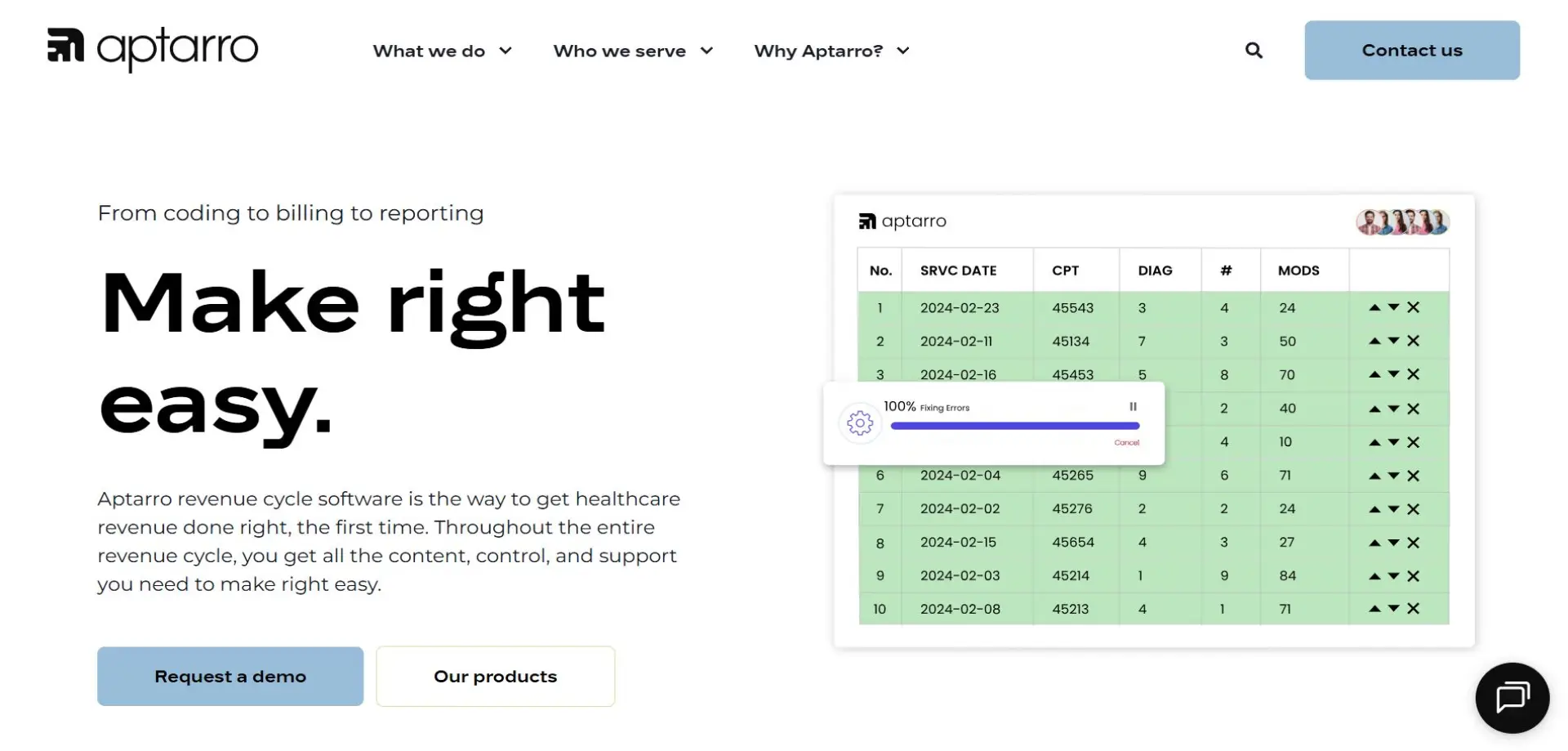
Aptarro stands out as a leading RCM company by providing a fully integrated approach that combines automation, analytics, and expert insight. Its RevCycle Engine is a central software platform designed to help healthcare organizations optimize revenue and manage workflow more efficiently. The engine provides data-driven visibility into the revenue cycle, while helping reduce potential revenue leakage.
What sets Aptarro apart is its focus on end-to-end RCM support. From patient access to payment posting, Aptarro provides solutions that scale with provider needs, ensuring both small practices and large health systems can benefit from improved operational insights. The platform is designed to integrate smoothly with existing EHR systems, supporting real-time financial oversight without adding administrative complexity.
Aptarro also emphasizes actionable reporting and analytics. Providers can gain insights into revenue trends, denial patterns, and areas for operational improvement, enabling them to make informed decisions. Its combination of software and strategic support makes Aptarro a top choice for healthcare organizations seeking comprehensive revenue cycle management. Get in touch today.
2. NextGen Healthcare

NextGen Healthcare delivers RCM solutions integrated with their EHR platform, supporting patient billing, analytics, and workflow optimization for multi-provider practices.
3. R1 RCM

R1 RCM is a highly regarded RCM company, particularly for large health systems. They provide a wide range of services, including pre-registration, billing, coding, and patient engagement. Their scale and operational experience make them a reliable partner for organizations seeking a comprehensive revenue cycle solution.
4. Optum
Optum combines advanced technology with extensive operational expertise. Their RCM solutions support integrated billing, payment processing, and analytics. This helps large providers improve revenue capture and streamline financial workflows.
5. Epic Systems
Epic is well known for its electronic health record (EHR) solutions, with its RCM module complementing clinical workflows with financial management capabilities. It is particularly suited for hospitals and health systems that require tightly integrated clinical and revenue operations.
6. Oracle Health
Oracle Health, including Cerner’s legacy offerings, provides unified platforms for clinical and financial management. Their RCM solutions focus on integration with EHR systems, allowing seamless operational and financial coordination.
7. Athenahealth

Athenahealth’s cloud-based RCM solutions are popular among ambulatory care providers. Their platform provides insights into financial performance and supports billing and claims management in a scalable, user-friendly way.
8. eClinicalWorks
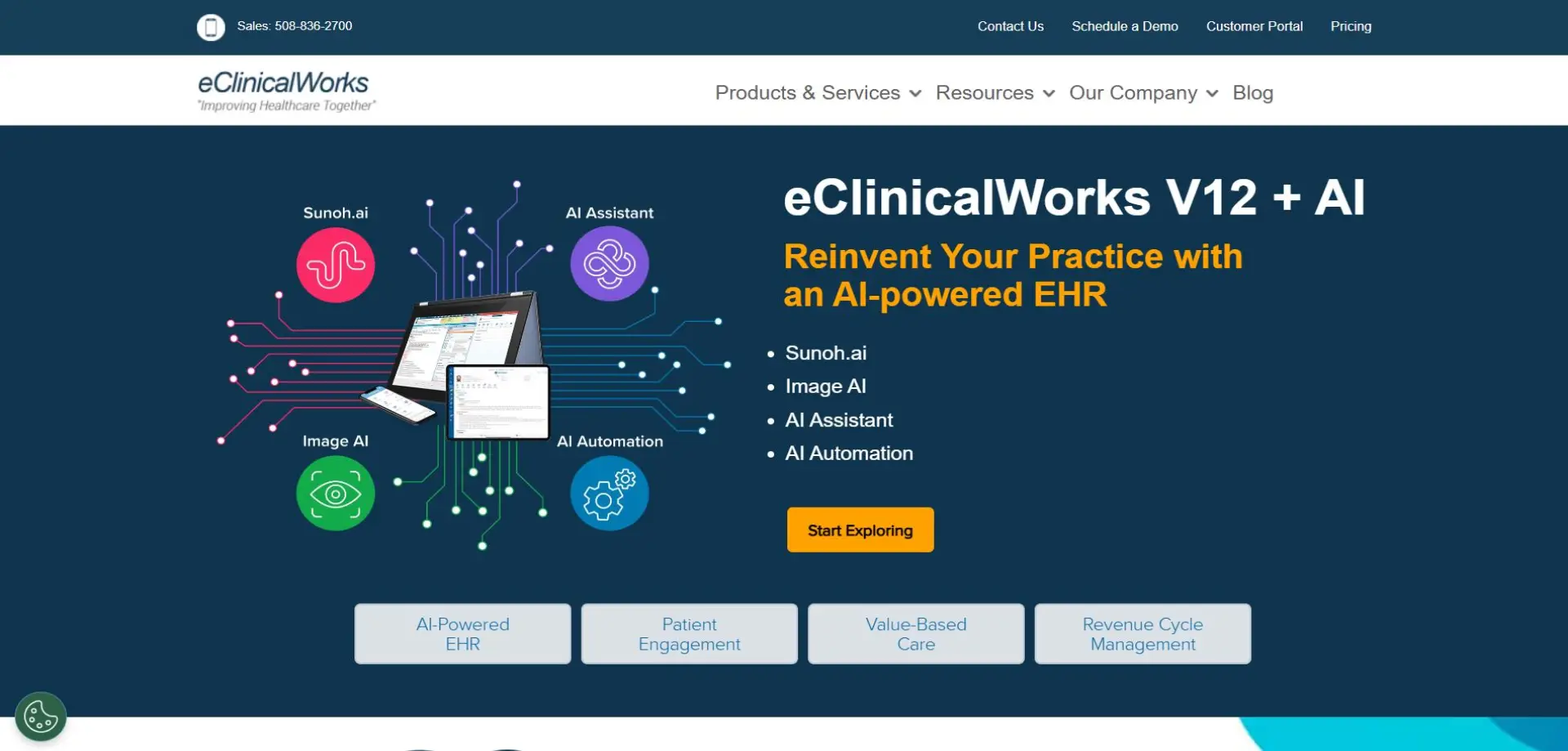
eClinicalWorks offers a combined EHR and RCM platform, streamlining both clinical and financial workflows. Their AI-powered solution helps practices improve operational efficiency while maintaining transparency in revenue management.
9. Greenway Health
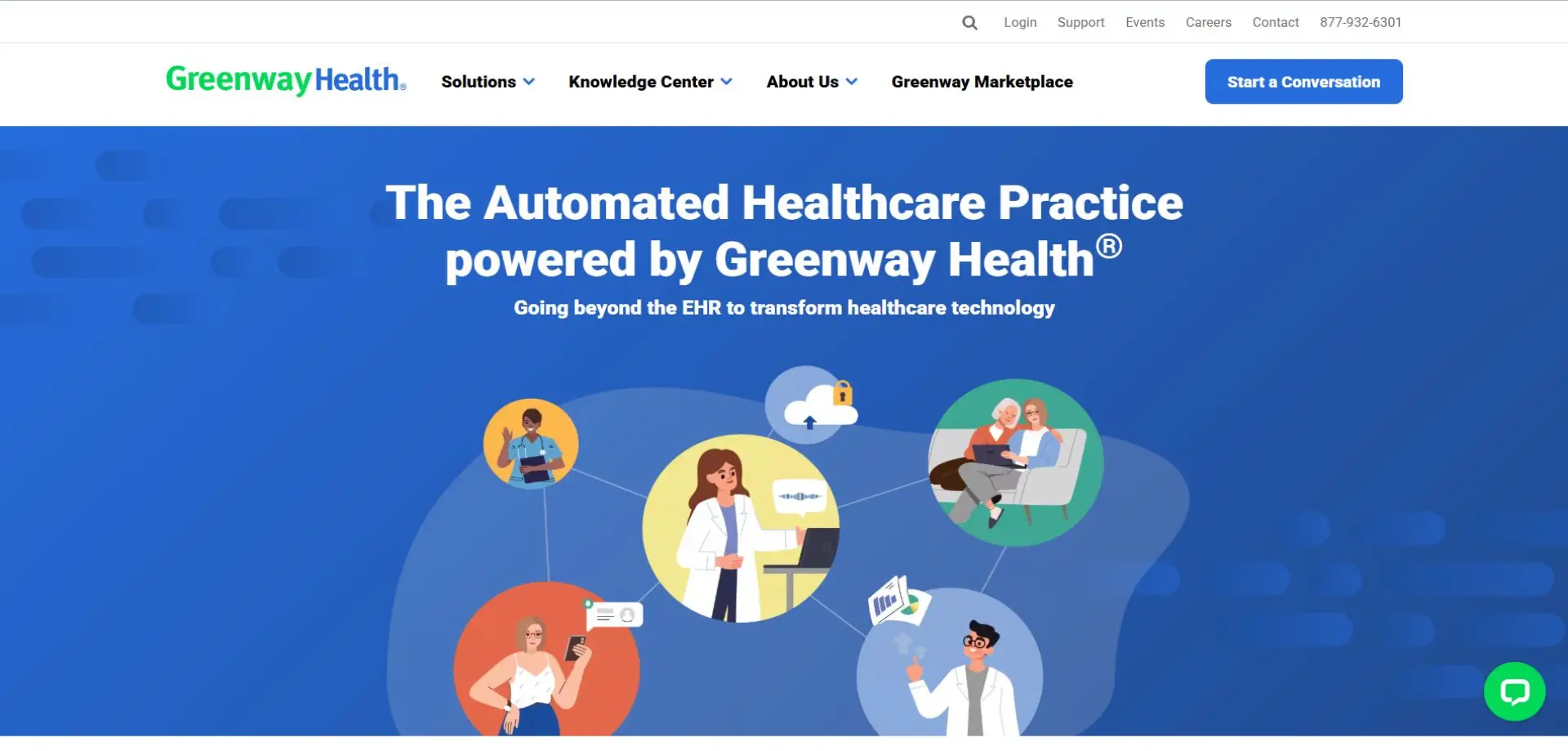
Greenway Health provides RCM solutions for ambulatory practices, offering both software and support services. Their approach emphasizes rapid implementation, specialty-specific expertise, and operational support.
10. MEDITECH
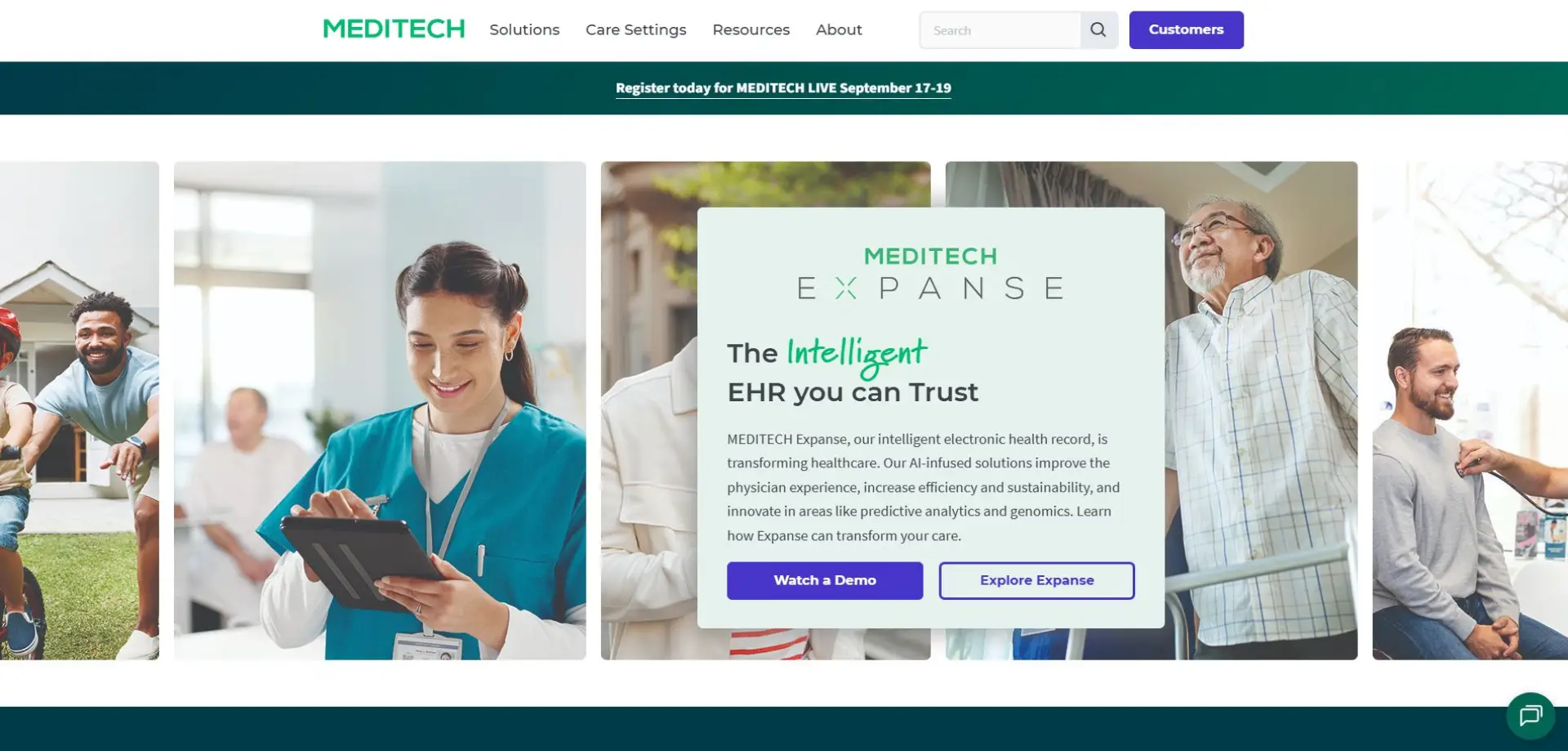
MEDITECH’s RCM platform offers financial management and revenue cycle services integrated with their EHR, helping organizations improve collections and operational efficiency.
Benefits of Partnering with the Best RCM Companies
Working with top RCM companies provides organizations with measurable operational and financial advantages. These benefits go beyond basic billing to impact revenue, efficiency, and compliance.
Efficiency and cost savings
By automating administrative tasks such as claim submission and denial management, the best RCM companies reduce labor costs and administrative burden. Providers can then allocate staff time more strategically to patient care and other essential functions.
Improved cash flow and revenue recovery
Top RCM companies help providers recover revenue that might otherwise be lost due to underpayment or denials. This leads to faster reimbursement cycles and a healthier financial position.
Enhanced data visibility and analytics
Leading RCM companies offer dashboards and reporting tools that allow organizations to track financial performance, identify trends, and make informed strategic decisions.
Scalability and flexibility
The best RCM companies can scale solutions to match the size and specialty of a healthcare organization, ensuring sustainable performance as the organization grows.
Regulatory compliance and security
Quality revenue cycle management solutions comply with regulatory requirements, industry standards, and data security best practices, reducing risk for the organization.
Key Traits of the Best RCM Companies
Successful RCM companies share certain characteristics that set them apart in the market.
Innovation and technology-driven services
Top RCM companies leverage modern technology to optimize workflow, minimize errors, and provide actionable insights, helping organizations stay competitive.
Domain expertise and healthcare specialization
They possess deep knowledge of healthcare billing, coding, and payer requirements, often with expertise tailored to specific specialties or practice types.
End-to-end service offering
Leading RCM companies provide solutions that cover the entire revenue cycle, from patient access to payment posting, giving providers comprehensive support.
Partnership and client support
The best RCM firms operate as partners, offering consultative guidance, continuous support, and transparent reporting to help providers achieve optimal results.
What to Consider When Choosing the Best RCM Companies
Selecting the right RCM company requires careful evaluation to ensure a strong fit with your organization’s needs. Here are some key things to consider.
Cost vs value
Consider both pricing and the value of services provided. A lower-cost option may lead to higher indirect costs due to inefficiencies or missed revenue opportunities.
Integration with your existing systems
Ensure that the RCM company’s technology and services integrate smoothly with your EHR and practice management systems to reduce errors and streamline operations.
Provider size and specialty fit
Choose a company with experience in your specific provider type, whether large hospital systems or small specialty practices.
Performance metrics and SLAs
Evaluate key performance indicators such as denial reduction, AR days, and first-pass clean claims. Review service level agreements (SLAs) to ensure accountability and performance standards.
Security and compliance
Verify HIPAA compliance, data security measures, and audit procedures to protect patient information and reduce regulatory risk.
Transform Your Revenue Cycle with Aptarro
Selecting the right RCM partner can redefine how your organization manages its revenue cycle, boosting efficiency, improving financial outcomes, and enhancing the patient experience. Among the leaders in the industry, Aptarro stands out for its comprehensive approach, combining innovative software and expert guidance to streamline operations and provide actionable insights into your revenue flow.
By partnering with Aptarro, healthcare organizations can also reduce administrative burden, increase revenue capture, and gain clear visibility into their financial performance. The platform is designed to integrate smoothly with existing systems, providing scalable solutions for practices of all sizes.
Ready to see how Aptarro can transform your revenue cycle? Book a demo today and discover why leading healthcare providers trust Aptarro to optimize their financial performance.